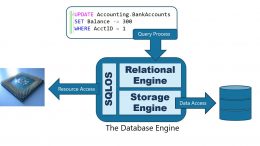
The SQL Server Database Engine
Explore the SQL Server Database Engine and its key components: SQLOS, Relational Engine, and Storage Engine.
Explore the SQL Server Database Engine and its key components: SQLOS, Relational Engine, and Storage Engine.

Explore Accessibility in Action and learn to create inclusive experiences in training and events for everyone involved.

Join me as I reflect on my experiences in San Francisco 2019, teaching a unique SQL Server course to international students.

Discover the journey from MCT Day in Orlando to the PASS Summit, along with personal adventures and key certification updates.
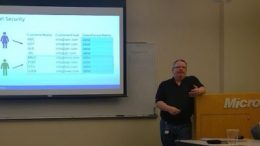
Explore my journey through a summer of changes, moving from New Horizons to Microsoft and embracing new challenges.
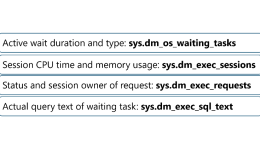
In this post, we will discuss Dynamic Management Objects (DMO’s) used to troubleshoot for Waiting Tasks in SQL Server.
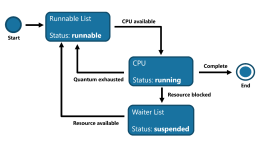
Explore the Task Execution Model used in the Database Engine for efficient CPU thread scheduling and task management.
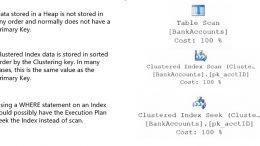
How to read Heap and Clustered Index table operators in a SQL Server Execution Plan. One way of determining if a table is structured as a Heap or a Clustered Index is to look at the table operators from the Execution Plan.
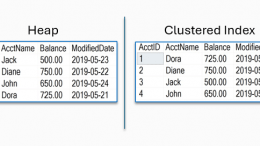
Learn about table structures in SQL Server, including heaps and clustered indexes, to improve your data organization.
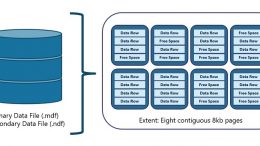
Learn about Data Pages in SQL Server, their structure, and how extents impact data storage efficiency within your database.