Azure SQL Newsletter – February 2025
Catch up on the Azure SQL Newsletter – February 2025, featuring important announcements and updates for developers.
Catch up on the Azure SQL Newsletter – February 2025, featuring important announcements and updates for developers.
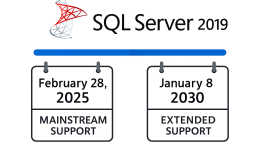
Mainstream support for Microsoft SQL Server 2019 ends on February 28, 2025. Learn more about the implications and updates.
Learn about SQL Server 2025 features: optimized locking that improves performance and reduces contention in your databases.
Announcing Microsoft SQL Server 2025 and SSMS 21, bringing AI capabilities to your data for enhanced performance and security.
SQL Server Security Updates Newsletter October/November November 2024 Security Update of SQL Server 2022 RTM CU16 KB Article: KB5048033 Security Update of SQL Server 2022 RTM GDR KB Article: KB5046861 Security Update of SQL Server 2019 RTM CU KB Article: KB5046860 Security Update of SQL Server 2019 RTM GDR KB Article: KB5046859 Security…
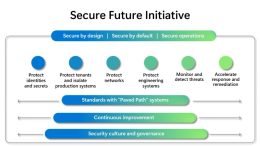
A year ago, Microsoft launched the Secure Future Initiative (SFI) to prepare for the increasing scale and high stakes of cyberattacks. SFI brings together every part of Microsoft to advance cybersecurity protection across our company and products. This initiative represents a significant step forward in safeguarding your digital assets and…
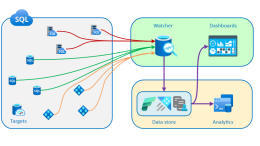
Introducing Database Watcher for Azure SQL, the ultimate monitoring tool for enhancing your Azure SQL database observability.
Upcoming changes for SQL Server Management Studio (SSMS). This is the first of three blog posts about the next releases of SQL Server Management Studio (SSMS), and the roadmap for 2024! Learn more: SSMS 20 connection changes (microsoft.com) Get started planning SQL Server 2014 end of support. Did you know that…
Achieve the SQL Skills Blackbelt by completing seven technical courses on Microsoft SQL Server and Azure SQL Databases.
Explore the insights from the SQL Server 2022 Performance Tuning book, featuring expert reviews and detailed analysis.