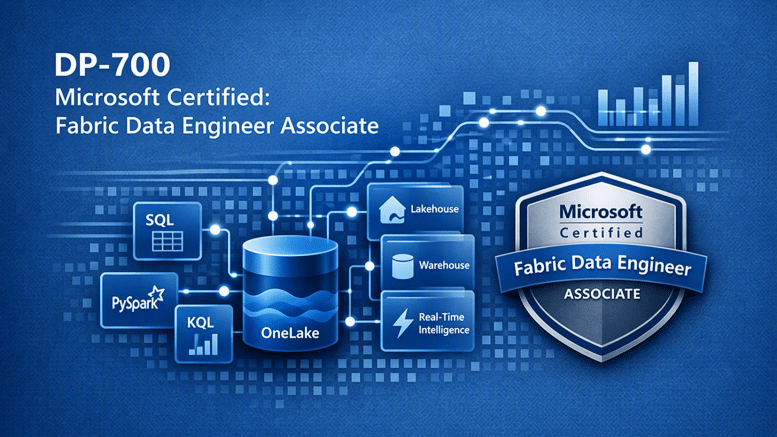
I recently completed the DP-700: Implementing Data Engineering Solutions Using Microsoft Fabric, earning the Microsoft Certified: Fabric Data Engineer Associate certification. Like many Microsoft exams, DP-700 covers a broad technical landscape. What stood out to me is that the exam is not simply about knowing individual Fabric features. It requires understanding how those services fit together to build, operate, secure, and optimize an end-to-end data engineering solution.
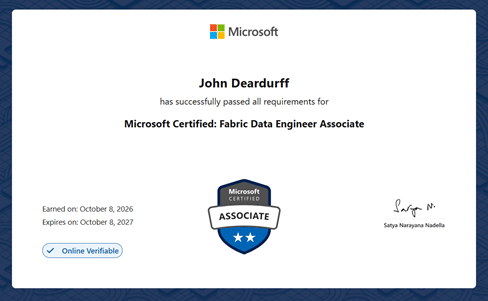
Microsoft describes the Fabric Data Engineer role around three primary responsibilities:
- Ingesting and transforming data.
- Securing and managing analytics solutions.
- Monitoring and optimizing analytics solutions.
From my preparation and experience with the material, I would group the DP-700 knowledge into six key areas:
1. Fabric Architecture, Workspaces & OneLake
Start with the architecture. Make sure you understand how Microsoft Fabric brings together data engineering workloads and how OneLake, workspaces, Lakehouses, Warehouses, and other Fabric items fit into that architecture.
Knowing what each component does is important, but the bigger skill is understanding which component makes sense for a particular data engineering requirement.
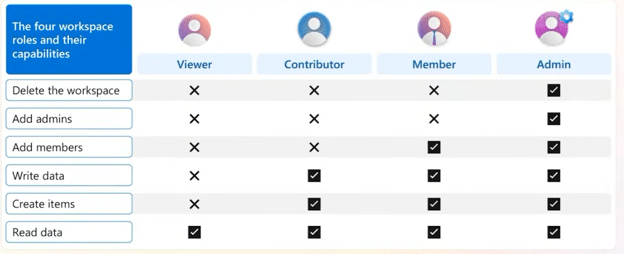
I also want to add here that security is a focus for the Fabric Architecture. I found this image from the Microsoft Certification Exam Prep for DP-700: Data Engineering with Microsoft Fabric
2. Data Ingestion & Loading Patterns
Data ingestion is fundamental to the Fabric Data Engineer role. Preparation should include the different approaches available for bringing data into Fabric and the decisions behind choosing an ingestion pattern. Spend time with pipelines, Dataflows, notebooks, Lakehouses, Warehouses, shortcuts, and batch and incremental loading concepts. Don’t just memorize the tools. Understand the architecture of the data movement.
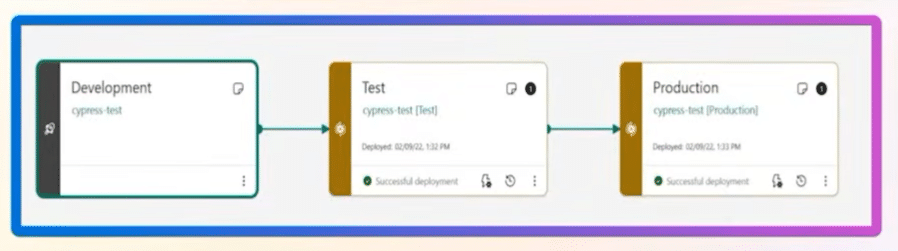
Here is an example of the default deployment pipeline. Fabric deployment pipelines help you deploy your fabric items across different environments and lets you develop and test content in Fabric before it reaches end users.
Use the correct tool for the job is a key component of the exam. so be sure to know when to use each.

3. Data Transformation: SQL, PySpark & KQL
This is an area where hands-on experience really matters. DP-700 expects data engineers to work with SQL, PySpark, and Kusto Query Language (KQL). You should understand where each technology fits and be comfortable recognizing when one approach makes more sense than another.
For anyone coming from a strong SQL Server or Azure SQL background, SQL will naturally feel familiar. PySpark is not a major priority for the exam, but you should understand where it fits within Fabric. I would focus more on being able to read and write basic SQL and KQL statements and understanding when each language is appropriate.
4. Real-Time Intelligence & Streaming
Fabric extends well beyond traditional batch-oriented data engineering. Be prepared to understand real-time data ingestion and analytics, including how Fabric’s Real-Time Intelligence capabilities fit into a larger data architecture.
The important distinction is recognizing when the requirement calls for traditional batch processing versus streaming or real-time architecture.
5. Orchestration, Security, Governance & DevOps
Building a pipeline is only part of building a production data platform. DP-700 also requires thinking about how solutions are orchestrated, secured, governed, managed, and deployed. That makes this an important area for anyone whose experience has primarily focused on writing transformations or moving data.
Think beyond whether a solution works. Think about how the solution is operated and managed as part of an enterprise data platform.
6. Monitoring, Troubleshooting & Optimization
Finally, understand what happens after the solution is deployed. A Fabric Data Engineer needs to be able to monitor workloads, troubleshoot problems, and optimize analytics solutions. Microsoft’s current certification objectives specifically identify monitoring and optimization as responsibilities of the Fabric Data Engineer.
This is another area where understanding the architecture matters. Performance problems, failed workloads, and inefficient processing are much easier to diagnose when you understand how the underlying Fabric components interact.
My Recommended DP-700 Preparation Resources
There is now a good collection of material available for preparing for DP-700. I recommend combining Microsoft Learn with hands-on Fabric experience and practice questions rather than relying on a single resource.
- Microsoft Learn Exam Prep: Exam Prep for DP-700
- Microsoft Learn Course DP-700 | Microsoft Fabric Data Engineer
- Certification Page: Microsoft Certified: Fabric Data Engineer Associate
- Practice Assessment: DP-700 Practice Assessment
- Official Study Guide: Study Guide for Exam DP-700
- Study Plan and BI Tracker: Shabnam Watson: My Study Plan + Power BI Tracker
- Microsoft Reactor: Get Certified: (DP-700) Fabric Data Engineer Essentials
- Coursera: Exam Prep DP-700: Microsoft Fabric Data Engineer Associate
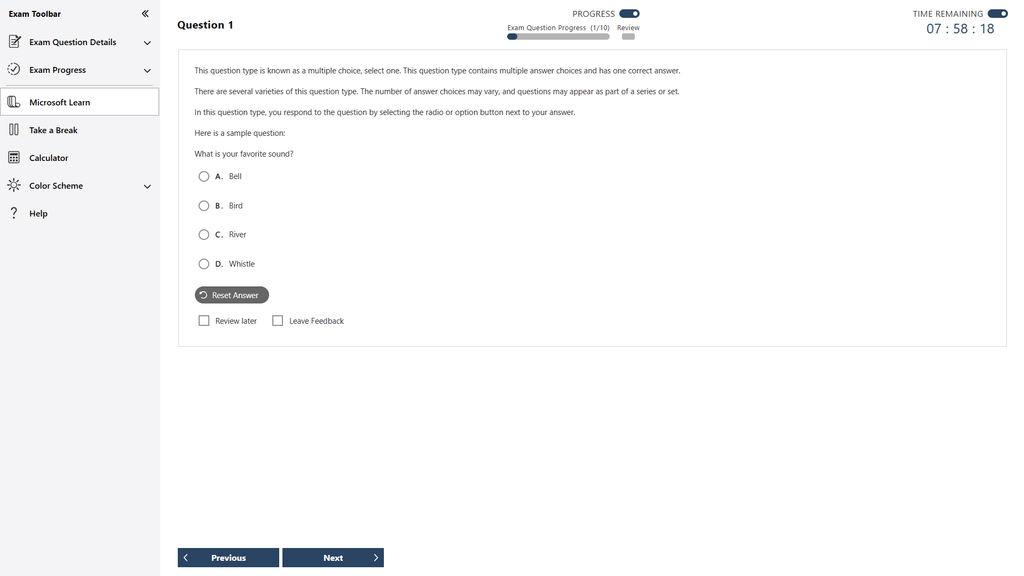
Additionally, you can use Microsoft Learn during the exam. Exam duration and exam experience
Final Thoughts
DP-700 is a good certification for anyone working with modern data engineering solutions in Microsoft Fabric. My biggest recommendation is not to approach DP-700 as a memorization exam. Spend time actually working in Fabric. Create workspaces. Explore OneLake. Build a Lakehouse and Warehouse. Ingest data. Create pipelines. Transform data with SQL. Work with KQL and Real-Time Intelligence. Monitor what you build and troubleshoot it when something does not behave as expected.
The individual technologies matter, but the real value comes from understanding how they work together.
That is ultimately what makes the Microsoft Certified: Fabric Data Engineer Associate certification valuable. It validates more than knowledge of individual Fabric features. It represents an understanding of how to bring those capabilities together into a complete data engineering solution.



Be the first to comment on "Fabric Data Engineer Associate Certification"