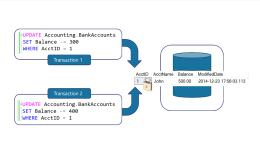
What are Locks?
Explore SQL Server locks for transaction isolation to prevent data inconsistencies and ensure smooth database operations.
Explore SQL Server locks for transaction isolation to prevent data inconsistencies and ensure smooth database operations.
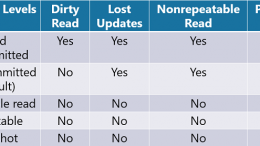
Transaction Isolation Levels are used to control data access concurrency. Concurrency controls can be Pessimistic or Optimistic.
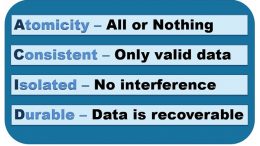
Understand Transactions in SQL Server and their role in maintaining data integrity and enforcing the ACID properties.
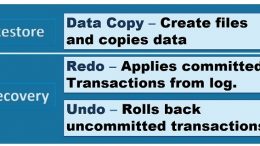
The restoration process of a SQL Server database passes through two phases: Restore and Recovery.

In late 2018, I recorded a series of videos for APRESS publishing on how to write T-SQL Queries. (I have linked to the O’Reilly website below.) There are four titles in the series with each title about 45 minutes in length. The first is how to write a T-SQL SELECT…
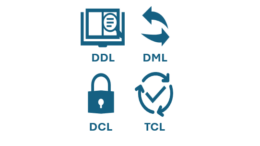
There are four main categories of statements used when writing T-SQL. What are the differences between each of these categories?
What are the basics in writing a T-SQL SELECT? How to return columns and records from a table in SQL Server.

How to use the WHERE statement to filter records when the value is either a Date or a Time in a T-SQL statement.
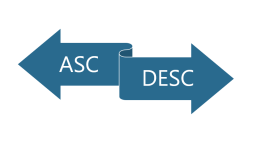
How to use the ORDER BY statement to sort records in a T-SQL statement in both ascending and descending order.
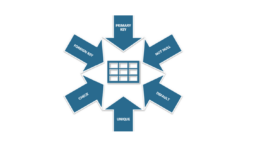
Restricting data by using Table Constraints in SQL Server. What are the different table constraints in SQL Server?